

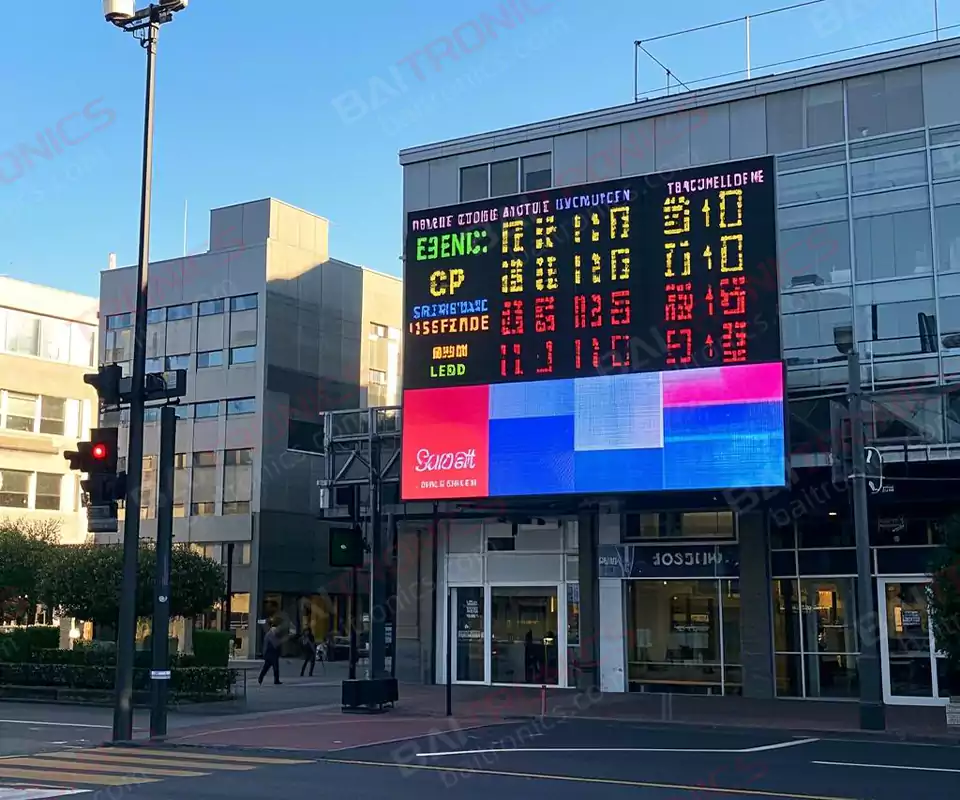
Cost-–-Benefit-Analysis-of-LED-Display-Screens1
Cost – Benefit Analysis of LED Display Screens: A Smart Investment for High – Return Efficiency
In today’s digital age, where display technology is advancing at breakneck speed, LED display screens have emerged as the top choice for numerous enterprises and individual users. Their outstanding display quality, adaptable application scenarios, and cost – effective operation make them highly appealing. However, with a plethora of LED display screen models and specifications flooding the market, making a cost – efficient and economically sound decision has become a topic that demands in – depth exploration. This article will conduct a comprehensive cost – effectiveness analysis of LED display screens, covering three crucial aspects: the cost structure, return on investment, and cost – optimization strategies.
1. Unraveling the Cost Structure: A Thorough Examination
The cost of LED display screens encompasses several major components, primarily hardware acquisition, installation and maintenance, and energy consumption.
Hardware Purchase Costs
The hardware purchase cost forms the bulk of the overall expense for LED display screens. This includes the cost of the screen body, control system, control computers, and auxiliary equipment like audio + amplifier. The screen body cost is typically calculated per square meter, and its price is influenced by multiple factors such as the display model, materials utilized, resolution (dot pitch), and brightness. For instance, P3 (dot pitch 3mm) to P5 (dot pitch 5mm) display screens are ideal for most indoor settings. Their price per square meter can range from a few thousand to tens of thousands of yuan. Additionally, the cost of the control system is determined by the size and density of the display screen.
The hardware purchase cost forms the bulk of the overall expense for LED display screens. This includes the cost of the screen body, control system, control computers, and auxiliary equipment like audio + amplifier. The screen body cost is typically calculated per square meter, and its price is influenced by multiple factors such as the display model, materials utilized, resolution (dot pitch), and brightness. For instance, P3 (dot pitch 3mm) to P5 (dot pitch 5mm) display screens are ideal for most indoor settings. Their price per square meter can range from a few thousand to tens of thousands of yuan. Additionally, the cost of the control system is determined by the size and density of the display screen.
Installation and Maintenance Costs
Installation costs are usually charged based on the display screen’s area or the project’s complexity. You can expect to pay anywhere from a few hundred to a few thousand yuan per square meter. Hiring a professional installation team is essential for ensuring the stable operation of the LED screen. Thus, choosing a reliable and qualified installation company is of utmost importance. Maintenance costs involve regular cleaning, software updates, and fault repairs. It is advisable to set aside an annual operation and maintenance budget, which typically accounts for around 5% of the total investment.
Installation costs are usually charged based on the display screen’s area or the project’s complexity. You can expect to pay anywhere from a few hundred to a few thousand yuan per square meter. Hiring a professional installation team is essential for ensuring the stable operation of the LED screen. Thus, choosing a reliable and qualified installation company is of utmost importance. Maintenance costs involve regular cleaning, software updates, and fault repairs. It is advisable to set aside an annual operation and maintenance budget, which typically accounts for around 5% of the total investment.
Energy Consumption Costs
The energy consumption of LED display screens varies depending on factors such as brightness and working hours. Outdoor full – color display screens generally consume more power, with an energy consumption cost per square meter per day ranging from 3.2 yuan to 5.6 yuan. In contrast, indoor full – color screens have relatively lower energy consumption, costing approximately 1.6 yuan to 2.4 yuan per square meter per day. Therefore, when selecting an LED display screen, it is crucial to consider its energy efficiency ratio and opt for energy – saving models to cut down on long – term operating costs.
The energy consumption of LED display screens varies depending on factors such as brightness and working hours. Outdoor full – color display screens generally consume more power, with an energy consumption cost per square meter per day ranging from 3.2 yuan to 5.6 yuan. In contrast, indoor full – color screens have relatively lower energy consumption, costing approximately 1.6 yuan to 2.4 yuan per square meter per day. Therefore, when selecting an LED display screen, it is crucial to consider its energy efficiency ratio and opt for energy – saving models to cut down on long – term operating costs.
2. Evaluating the Return on Investment: A Long – Term View with Substantial Gains
The return on investment of LED display screens differs significantly across various application scenarios. Nevertheless, in the long run, the economic benefits are quite remarkable.
Advertising Media
In high – traffic zones such as commercial centers and transportation hubs, LED screens can generate direct revenue by hosting advertisements. Through targeted marketing strategies, the advertising conversion rate and brand exposure can be enhanced, thereby yielding substantial advertising income.
In high – traffic zones such as commercial centers and transportation hubs, LED screens can generate direct revenue by hosting advertisements. Through targeted marketing strategies, the advertising conversion rate and brand exposure can be enhanced, thereby yielding substantial advertising income.
Sports Events and Performance Entertainment
During large – scale sports events and concerts, LED screens play a vital role in live broadcasts and as background displays. They can heighten the audience’s immersive experience and participation, indirectly contributing to increased ticket sales and brand partnerships.
During large – scale sports events and concerts, LED screens play a vital role in live broadcasts and as background displays. They can heighten the audience’s immersive experience and participation, indirectly contributing to increased ticket sales and brand partnerships.
Retail Display
In retail stores, LED screens can be employed to showcase product details, promotional activities, etc., effectively attracting customers’ attention and boosting purchase conversion rates.
In retail stores, LED screens can be employed to showcase product details, promotional activities, etc., effectively attracting customers’ attention and boosting purchase conversion rates.
Traffic Instructions and Security Monitoring
In traffic arteries and public safety areas, LED screens can provide real – time traffic information and safety alerts, enhancing urban traffic efficiency and public safety.
In traffic arteries and public safety areas, LED screens can provide real – time traffic information and safety alerts, enhancing urban traffic efficiency and public safety.
3. Cost – Optimization Strategies: Smart Buying and Efficient Operation
To maximize the cost – effectiveness of LED screens, users should adhere to the following guidelines during the purchase and operation phases:
Define Your Needs Clearly and Make Rational Selections
Based on your application scenarios, budget constraints, and expected outcomes, choose the appropriate LED screen model and specifications. Avoid the pitfall of blindly chasing high – end configurations, which can lead to unnecessary expenditure.
Based on your application scenarios, budget constraints, and expected outcomes, choose the appropriate LED screen model and specifications. Avoid the pitfall of blindly chasing high – end configurations, which can lead to unnecessary expenditure.
Opt for Reputable Brands to Ensure Quality
While products from well – known brands may come with a higher price tag, their quality and after – sales service are more reliable. Selecting brands with a good reputation can help reduce future maintenance costs.
While products from well – known brands may come with a higher price tag, their quality and after – sales service are more reliable. Selecting brands with a good reputation can help reduce future maintenance costs.
Prioritize Energy Efficiency for Energy Conservation
Choose energy – saving LED display screens to minimize long – term energy consumption costs. Additionally, manage the display screen’s working hours and brightness settings judiciously to prevent needless energy waste.
Choose energy – saving LED display screens to minimize long – term energy consumption costs. Additionally, manage the display screen’s working hours and brightness settings judiciously to prevent needless energy waste.
Provide Professional Training to Enhance Maintenance Skills
Offer professional training to installation and maintenance personnel to improve their technical proficiency and emergency response capabilities. This can help minimize equipment malfunctions and associated maintenance costs caused by improper operation.
Offer professional training to installation and maintenance personnel to improve their technical proficiency and emergency response capabilities. This can help minimize equipment malfunctions and associated maintenance costs caused by improper operation.
Explore Diverse Applications to Broaden Revenue Streams
Fully utilize the multimedia capabilities of LED display screens to develop diverse application scenarios and revenue sources. For example, you can increase income by running advertisements, offering rental services, etc.
Fully utilize the multimedia capabilities of LED display screens to develop diverse application scenarios and revenue sources. For example, you can increase income by running advertisements, offering rental services, etc.
In conclusion, LED display screens, as highly efficient and versatile display devices, offer significant cost – effectiveness advantages. By conducting a meticulous cost analysis, making scientifically sound investment decisions, and implementing efficient and intelligent operation strategies, users can extract the maximum value from LED display screens, achieving a harmonious balance between economic and social benefits.


